Small differences in design or upkeep can dramatically affect how long a road lasts before major repairs become necessary.
Some roads seem to remain smooth and reliable for decades, while others develop cracks, potholes, and surface damage after only a few years. Although drivers often blame poor maintenance alone, road lifespan factors include materials, climate, engineering decisions, traffic volume, drainage systems, and long-term maintenance practices.
Road construction is far more complex than simply laying asphalt over the ground. Modern roads are engineered structures designed to withstand constant pressure from weather, water, temperature changes, and thousands or even millions of vehicles over time.
The Foundation Beneath the Road Matters Most
One of the biggest factors determining road durability is the quality of the foundation beneath the visible surface. Roads are built in layers, and the lower layers are just as important as the pavement drivers see on top.
Before paving begins, crews prepare and compact the soil beneath the roadway. If the ground is unstable, uneven, or poorly compacted, the surface above may crack or sink over time. Engineers sometimes add gravel, crushed stone, or stabilizing materials to strengthen the base.
The subbase and base layers distribute the weight of traffic over a wider area, reducing stress on the pavement. Heavy trucks place enormous pressure on roads, especially repeated freight traffic traveling the same routes daily.
Even a high-quality asphalt surface can fail quickly if the foundation underneath shifts or weakens. This is why some roads deteriorate despite initially appearing well-paved.
Drainage systems are also critical at the foundation level. Water is one of the biggest threats to road longevity because it can seep beneath pavement layers, weaken the base, and create cracking during freeze-thaw cycles.
See How Water Gets From Reservoirs to Your Faucet for infrastructure beneath daily life.
Asphalt and Concrete Behave Differently
Most roads are built using either asphalt or concrete, and each material has different strengths and weaknesses.
Asphalt roads are more flexible and generally less expensive to install. They can handle minor ground movement more easily and are often smoother and quieter for drivers. However, asphalt softens in extreme heat and may deteriorate more quickly under heavy traffic if not properly maintained.
Concrete roads usually last longer overall because they are more rigid and resistant to heavy loads. This is why many highways and airport runways use concrete surfaces. The tradeoff is that concrete costs more upfront and can crack if the ground underneath shifts significantly.
Climate strongly affects which material performs better. In extremely hot areas, asphalt may soften and rut under heavy traffic. In colder climates, freeze-thaw cycles can damage both asphalt and concrete if moisture penetrates the surface.
Temperature fluctuations cause pavement to expand and contract repeatedly. Over time, this movement creates stress that eventually leads to cracking and surface breakdown.
Road engineers carefully select materials based on local weather conditions, expected traffic volume, and long-term maintenance budgets.
Read Why We Measure Things the Way We Do for material and measurement basics.
Traffic Volume Changes Road Lifespan Dramatically
Not all vehicles affect roads equally. Heavy commercial trucks impose far more stress on roads than passenger cars because road damage increases exponentially with weight.
A single fully loaded tractor-trailer can place as much wear on pavement as thousands of smaller vehicles combined. Roads frequently used by freight traffic, therefore, require thicker pavement layers and stronger foundations.
Traffic patterns matter as well. Roads experiencing constant stop-and-go movement often deteriorate faster because braking and acceleration create additional surface stress. Intersections, bus routes, and heavily traveled urban corridors typically wear out more quickly than lightly traveled suburban streets.
Population growth also affects road lifespan. Many roads were originally designed decades ago for smaller traffic volumes than they now carry daily. Increased congestion and heavier usage significantly accelerate wear and tear.
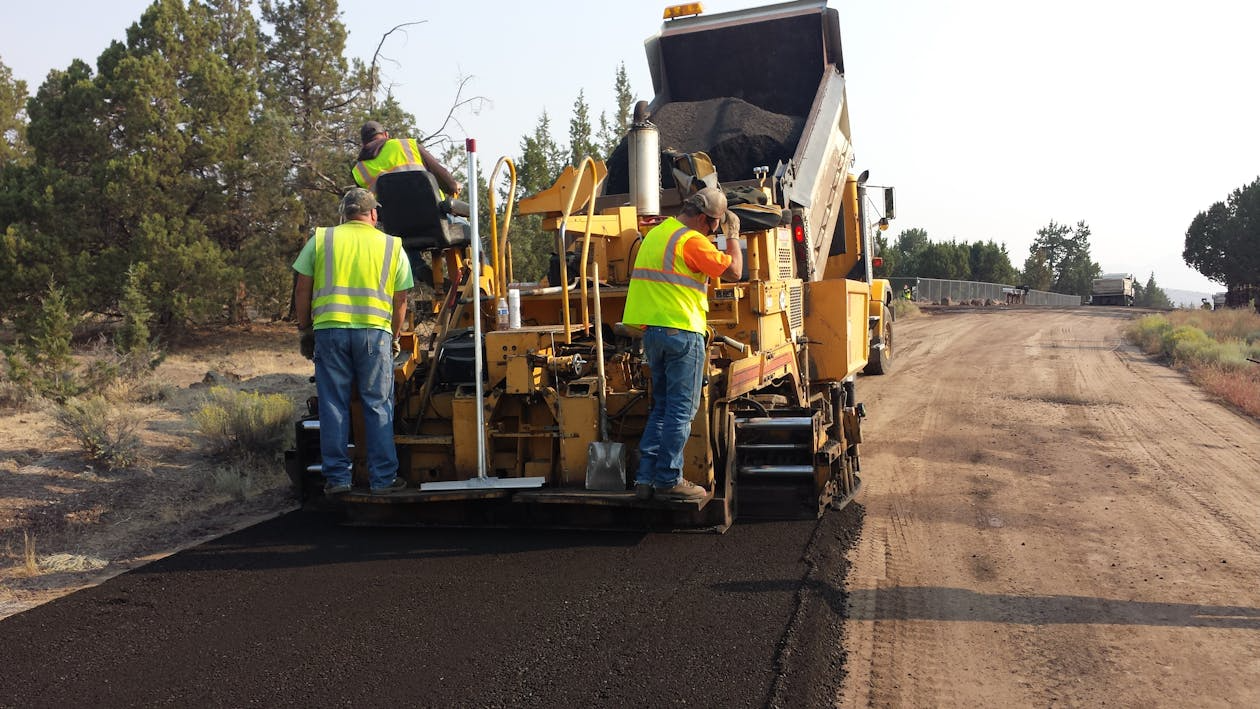
Construction quality plays a major role, too. Even well-designed roads can fail early if paving temperatures, material mixtures, or compaction standards are not properly maintained during construction.
Check Why Some Cities Have Better Public Transit Than Others for transportation planning factors.
Maintenance Often Determines Whether Roads Survive
Preventive maintenance is one of the biggest factors distinguishing roads that last for decades from those that fail early. Small cracks and drainage problems can often be repaired relatively inexpensively before they become major structural issues.
Once water penetrates beneath pavement layers, damage tends to accelerate rapidly. Freeze-thaw cycles can expand small cracks into large potholes within a single winter season.
Road crews use various maintenance techniques depending on the pavement’s condition. Sealcoating helps protect asphalt surfaces from moisture and sunlight. Resurfacing replaces damaged upper layers while preserving the stronger foundation underneath.
In severe cases, full reconstruction becomes necessary. This process involves removing multiple pavement layers and rebuilding the road structure almost entirely.
Budget limitations often force cities and states to delay maintenance, which can substantially increase long-term costs. Repairing minor damage early is usually far cheaper than rebuilding heavily deteriorated roads later.
Modern technology is helping improve maintenance planning. Sensors, drones, pavement scanning systems, and predictive modeling now help transportation departments monitor road conditions more accurately.
Explore The History of the ZIP Code System for a lasting infrastructure system.
Roads Reflect Engineering and Long-Term Planning
Roads are not simply flat surfaces for vehicles. They are carefully engineered systems designed to handle environmental stress, traffic pressure, and decades of use.
The roads that last longest usually combine strong foundations, appropriate materials, effective drainage, consistent maintenance, and realistic traffic planning. When any of these elements are neglected, deterioration accelerates.
Although drivers mostly notice roads when problems appear, maintaining reliable transportation infrastructure requires enormous planning and investment behind the scenes. Every smooth highway or stable neighborhood street reflects countless engineering decisions working together over time.