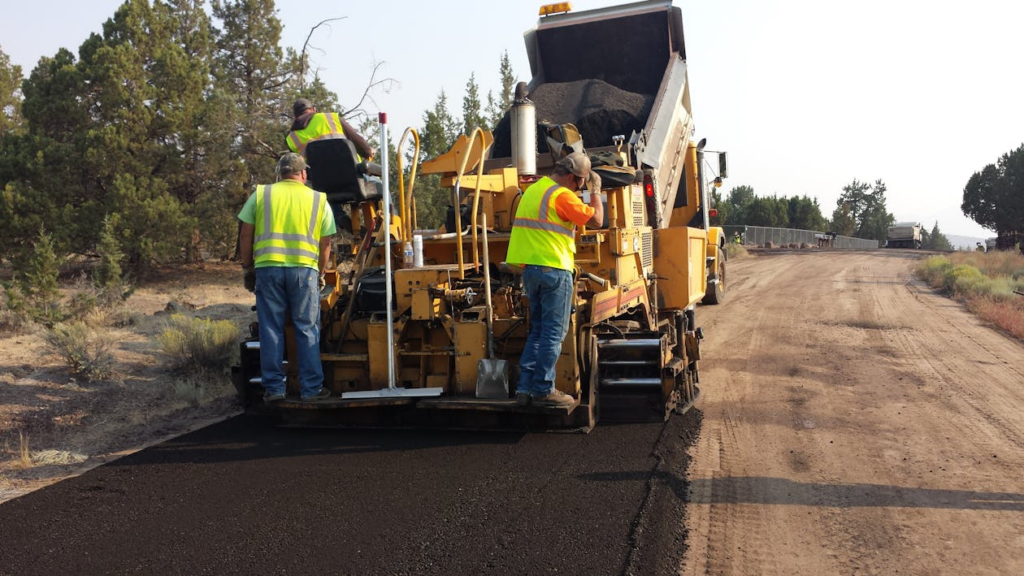
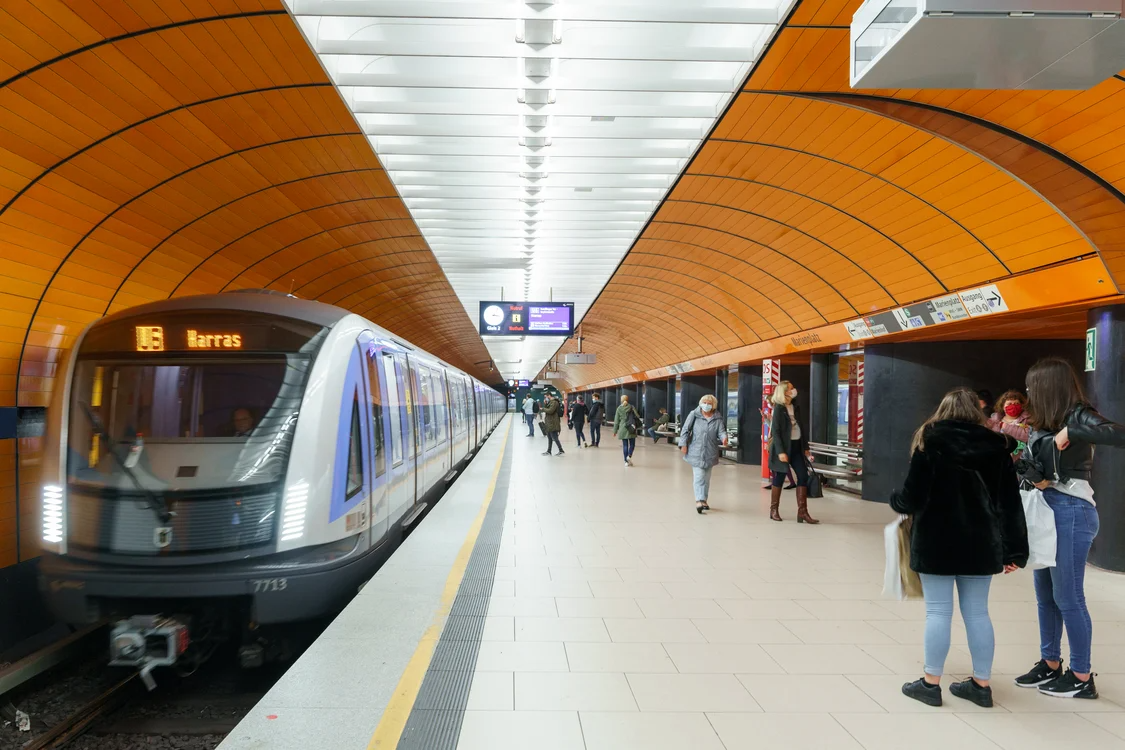
The quality of a transit system often reflects choices made decades earlier. Knowing why public transit is better in some cities starts with how roads, neighborhoods, and infrastructure were built long before today’s riders arrived.
Public transportation can feel completely different depending on the city. In some places, residents can travel almost anywhere quickly by train, bus, or subway. In others, owning a car feels nearly mandatory because public transit is limited, unreliable, or difficult to access. These differences are not random. They are shaped by geography, history, funding, politics, population density, and long-term planning decisions.
Meanwhile, cities that invested early in public transportation often continue benefiting from those decisions today.
Population Density Changes Everything
One of the biggest factors influencing transit quality is population density. Public transportation works best when large numbers of people live and work relatively close together. Dense cities generate sufficient demand to justify frequent bus service, subway lines, or commuter rail systems.
In highly populated urban areas, transit systems can move enormous numbers of people more efficiently than cars. A single subway train can carry hundreds of passengers at once, reducing congestion and maximizing limited space. This is why dense cities such as New York, Tokyo, and London tend to have extensive transit networks.
Low-density cities face different challenges. Suburban sprawl spreads people farther apart, making routes longer and less efficient. Transit agencies must cover more ground while serving fewer riders per mile. This often leads to less frequent service and higher operating costs.
Car-centered suburban development also creates feedback loops. When cities are designed primarily for driving, fewer people use transit. Lower ridership, in turn, reduces political and financial support for further improvements to transit systems.
See How Modern Maps Became Standardized for related planning and navigation systems.
Funding and Political Priorities Matter
Public transit systems require significant long-term investment. Building rail lines, maintaining stations, purchasing buses, and operating services all cost billions of dollars over time. Cities with strong transit systems usually benefit from consistent public funding and political support.
Some cities prioritize highway and road expansion over public transportation. Others dedicate substantial budgets toward rail networks, bus rapid transit systems, or infrastructure modernization. These priorities shape how residents move for generations.
Federal, state, and local governments all play roles in transit funding. In some countries, national governments provide substantial support for urban transportation systems. In the United States, transit funding often varies dramatically by region and political climate.
Public opinion also influences investment decisions. Cities where residents strongly value transit are more likely to approve taxes or infrastructure projects supporting expansion. In areas where car ownership is culturally dominant, large transit projects may face resistance.
Transit systems also compete with many other public needs such as schools, healthcare, policing, and housing. Budget limitations force cities to make difficult choices about where resources are allocated.
Read The History of the ZIP Code System for a standardized infrastructure example.
Geography and City Design Affect Transit Efficiency
Physical geography strongly affects transportation planning. Flat cities may support biking and surface transit more easily, while mountainous terrain or waterways can complicate infrastructure development.
Older cities often have transit advantages because they were built before automobiles became dominant. Many historic urban centers developed around walking, rail lines, or streetcars. Their compact layouts naturally support public transportation.
Newer cities, especially those that expanded rapidly during the automobile era, are frequently designed around highways and parking infrastructure instead. Wide roads, large parking lots, and separated residential zones make car travel more practical than transit.
Street design also matters. Grid-style street layouts typically support bus systems more efficiently than winding suburban road networks filled with cul-de-sacs. Direct routes allow buses to operate more predictably and reduce travel times.
Weather can also influence transit use. Extremely hot, cold, or rainy climates may discourage walking to transit stops unless systems are designed with adequate shelter and accessibility.
Check Why Some Roads Last Longer Than Others for more on transportation infrastructure.
Reliability Often Matters More Than Speed
People are more likely to use public transit when it feels reliable and predictable. A bus that arrives every 10 minutes consistently is often more valuable than a faster system with frequent delays and uncertainty.
Frequency is one of the most important features of successful transit systems. Riders prefer not to have to schedule their day around limited arrival times. Cities with high-frequency transit networks create a more convenient experience that competes better with personal vehicles.
Cleanliness, safety, and accessibility also shape public perception. Well-maintained stations, clear signage, and easy connections between routes significantly improve usability. If transit feels confusing or unsafe, ridership tends to decline.
Technology now plays a growing role in improving transit systems. Mobile apps provide real-time tracking, digital ticketing, and route planning tools that make navigation easier for both residents and visitors.
Some cities have also adopted dedicated bus lanes and traffic signal prioritization to improve reliability. These systems help buses avoid traffic congestion and maintain consistent schedules.
Explore Why Airports Are Organized the Way They Are for a different transportation network.
Transit Reflects Long-Term Urban Choices
No city builds a world-class transit system overnight. Strong public transportation networks usually result from decades of coordinated planning, investment, and public support. Cities with poor transit often face infrastructure decisions made generations ago.
As urban populations continue growing, many cities are reevaluating transportation priorities. Concerns about traffic congestion, housing costs, climate change, and quality of life are increasing interest in public transit improvements worldwide.
Ultimately, better public transportation is not only about trains and buses. It reflects how cities organize space, allocate resources, and plan for the future. The way a city moves people says a great deal about the choices it has made over time.