Modern grocery stores are designed to balance convenience with profitability. Every grocery store layout must move thousands of products efficiently while encouraging shoppers to spend more time browsing.
Most people walk into a grocery store focused on one thing: getting the items they need and leaving as quickly as possible. Yet behind the scenes, grocery stores are carefully planned environments shaped by psychology, logistics, marketing, and customer behavior. From the location of milk and bread to the width of aisles and placement of checkout lanes, nearly every part of the store has a purpose.
The result is a layout that feels natural to customers, even though much of it has been intentionally engineered.
Why Fresh Produce Is Usually Near the Entrance
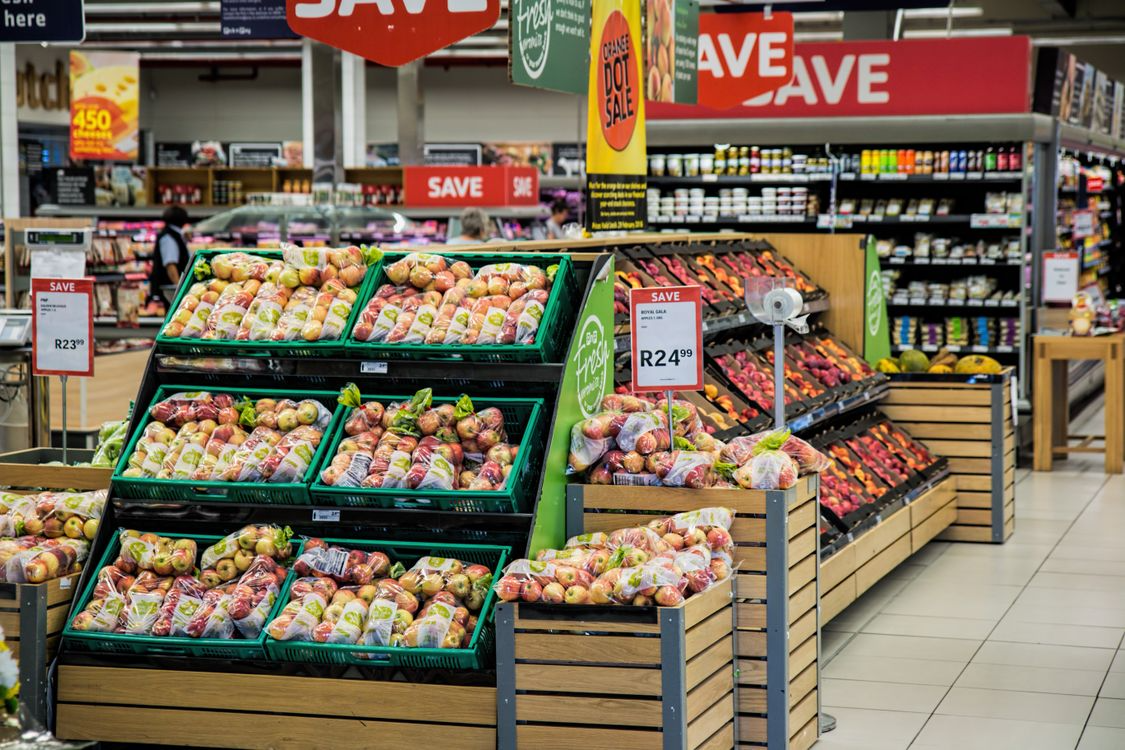
One of the most recognizable grocery store patterns is the produce section near the front entrance. This is not accidental. Fruits and vegetables create a strong first impression because they are colorful, fresh-looking, and associated with health. Stores want shoppers to feel they are immediately entering a clean, high-quality environment.
Psychologically, this also encourages positive decision-making early in the shopping trip. Research has shown that when people make healthy choices first, they often feel more relaxed about making indulgent purchases later. A customer who loads fresh bananas and lettuce into the cart may feel less guilty about adding snacks or desserts later in the trip.
From a practical standpoint, produce sections are visually flexible. Large displays can help slow customer movement and naturally guide traffic into the rest of the store. Grocery stores want shoppers to transition gradually rather than rush directly to specific items.
See The Psychology Behind First Impressions for more on early perception.
Why Staples Are Placed in the Back
Many grocery stores place essential items like milk, eggs, and bread toward the rear of the building. The goal is simple: shoppers must walk past many other products before reaching the basics they originally came to buy.
This increases exposure to impulse purchases. Along the route to the dairy aisle, customers may pass frozen foods, bakery items, seasonal displays, or sale products they had not planned to purchase. Even small, unplanned purchases from thousands of customers generate significant profits for stores.
There is also a logistical advantage. Refrigerated products often require large cooling systems and storage access, which are easier to manage along perimeter walls. This makes the back and outer edges of the store practical locations for dairy, meat, and frozen sections.
The outer perimeter of most grocery stores usually contains the freshest, least-processed foods, while packaged goods with longer shelf lives dominate the center aisles. This layout helps stores organize inventory efficiently while guiding shoppers through multiple departments.
Read How Product Barcodes Changed Retail Forever for retail tracking basics.
The Psychology Behind Store Layouts and Aisles
Grocery stores use subtle psychological techniques to influence how customers move and shop. Wider aisles create a relaxed feeling and encourage browsing, while narrower spaces can increase urgency and speed. Endcap displays, located at the ends of aisles, are considered premium marketing space because they attract attention from multiple directions.
Many stores also rely on something called “decompression zones.” These are the areas immediately inside the entrance where shoppers adjust to the environment. Retailers avoid placing critical products there because customers are still mentally transitioning from the outside world into shopping mode.
Music and lighting also matter. Slower music can encourage customers to move more slowly through aisles, increasing browsing time. Warm lighting near bakery departments helps bread and pastries appear fresher and more appealing. Even the smell of baked goods is sometimes intentionally circulated through nearby sections.
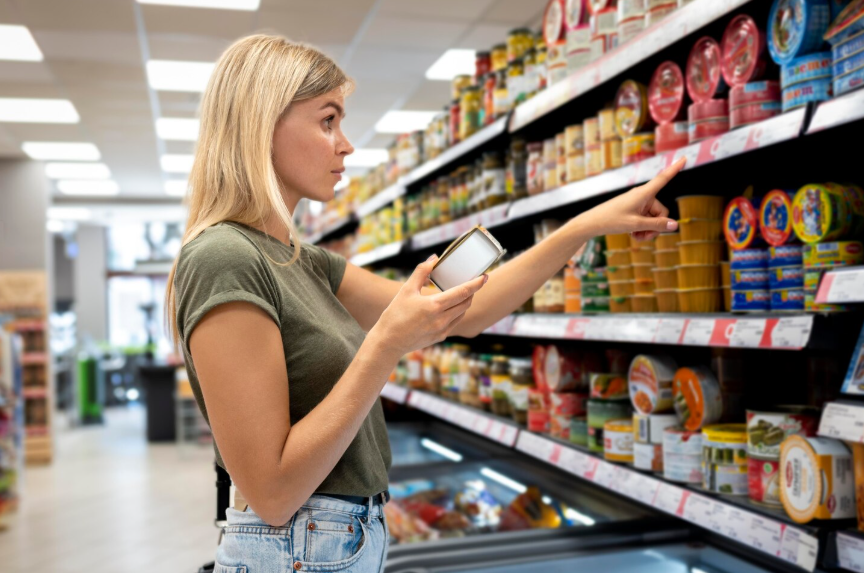
Product placement on shelves follows another strategy. Items placed at eye level tend to sell better than products on lower or higher shelves. Manufacturers often pay stores extra money for premium shelf positioning because visibility directly affects sales.
Check Why Certain Colors Carry Specific Meanings for visual marketing signals.
Why Checkout Lanes Are Filled With Small Items
The checkout area is designed for impulse buying. Candy, gum, magazines, drinks, and small convenience products are intentionally placed where customers wait in line. At this stage, shoppers are no longer focused on completing their main shopping tasks, making them more likely to add inexpensive extras.
These products are usually low-cost and require little decision-making. Someone waiting several minutes at checkout may grab a snack or bottled drink almost automatically. Across millions of transactions, these small additions generate substantial revenue.
Checkout lanes are also carefully designed to manage customer flow. Stores try to balance speed with exposure to last-minute products. Self-checkout stations have become increasingly common because they reduce labor costs and help stores handle busy periods more efficiently.
Some stores even study traffic patterns using technology and data analytics. By tracking movement throughout the store, retailers can identify high-traffic areas, improve product placement, and adjust layouts to increase sales.
Explore Why Decision Fatigue Happens and How to Reduce It for more on behavior patterns.
Grocery Stores Balance Convenience and Business
Although grocery store layouts are designed to encourage spending, they are also built around efficiency and customer comfort. A confusing store frustrates shoppers, while a well-organized store encourages repeat visits. Successful grocery stores must strike a balance between guiding customer behavior and making shopping feel easy.
Over time, shoppers become familiar with store layouts and routines. This familiarity creates comfort and speeds up decision-making. Many stores avoid making major layout changes too often because customers dislike feeling disoriented during regular shopping trips.
The next time you visit a grocery store, you may notice how intentional the experience really is. From the produce displays near the entrance to the checkout candy racks near the exit, every detail reflects decades of retail psychology, logistics, and consumer research working together in the background.