
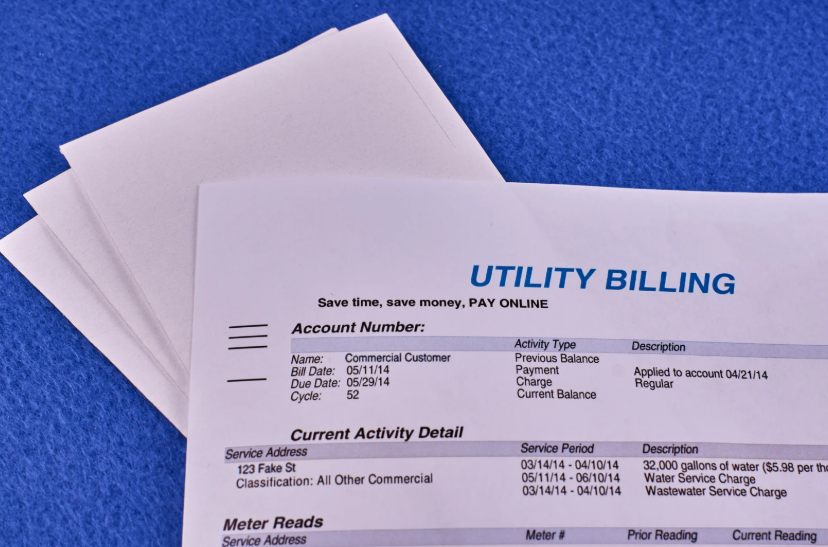
Understanding how utility bills are calculated can help consumers better manage costs and spot unexpected billing issues.
Utility bills are one of the most common monthly expenses, yet many people only glance at the final total without fully understanding how the charges are determined. Electricity, water, gas, internet, and other household services each use different pricing models, measurement systems, and fee structures. While utility bills can seem confusing, most are built around a combination of usage, infrastructure costs, and service fees.
The amount customers pay is influenced not only by how much they use, but also by where they live, local regulations, seasonal demand, and the type of utility system serving the area.
How Electricity Charges Are Measured
Electric bills are usually based on kilowatt-hours, often abbreviated as kWh. A kilowatt-hour measures how much energy a household uses over time. For example, running a 1,000-watt appliance for one hour typically consumes one kilowatt-hour of electricity.
Utility companies track usage through electric meters installed at homes or buildings. Many areas now use smart meters, which automatically transmit usage data digitally instead of requiring manual readings by utility workers.
Electricity pricing often includes both fixed and variable costs. Fixed charges cover infrastructure expenses such as maintaining power lines and substations, as well as customer service operations. Variable charges depend on actual electricity consumption during the billing period.
Some utility companies also use tiered pricing systems. Under these models, electricity becomes more expensive after customers exceed certain usage thresholds. This encourages energy conservation during periods of high demand.
Time-of-use pricing is becoming more common as well. Electricity rates may rise during peak-demand hours, such as hot summer afternoons when air-conditioning usage surges. Customers who shift energy-intensive activities to off-peak hours can sometimes lower their bills.
See Why We Measure Things the Way We Do for insights on measurement systems.
How Water and Gas Bills Work
Water bills are usually calculated based on volume usage, commonly measured in gallons or cubic feet. Water meters track how much water enters a property, and customers are billed according to local utility rates.
Like electricity bills, water bills often include both service fees and consumption charges. Infrastructure maintenance plays a major role because utilities must maintain pipelines, treatment facilities, pumps, and sewer systems.
Sewer charges are frequently tied to water consumption because utilities estimate wastewater output based on incoming water usage. In many cases, customers pay separate fees for water delivery and wastewater treatment services.
Natural gas bills operate similarly to electricity bills but use different measurement units. Gas consumption is commonly measured in therms or cubic feet. Utility companies convert gas usage into billing units based on energy content.
Seasonal changes strongly affect gas usage because many households rely on natural gas for heating during colder months. Winter bills often rise substantially in colder regions.
Fuel costs can also fluctuate. Gas and electricity providers sometimes adjust rates based on wholesale energy market conditions, fuel supply issues, or regulatory changes.
Read How Water Gets From Reservoirs to Your Faucet for a related utility system.
Why Internet and Communication Bills Vary
Internet and communication services differ from traditional utilities in that pricing is often based less on direct consumption and more on subscription tiers and service packages.
Internet providers usually charge customers according to speed plans rather than total data usage, although some companies still enforce data caps or overage fees. Faster download and upload speeds generally cost more because they require greater network capacity and infrastructure investment.
Many communication bills also contain taxes, regulatory fees, and equipment charges. Customers renting modems, routers, or cable boxes may pay additional monthly fees beyond the advertised service price.
Promotional pricing frequently creates confusion. Companies may offer discounted introductory rates for new customers that automatically increase after several months. Bundled services combining internet, television, and phone plans can also complicate billing structures.
Infrastructure availability affects pricing as well. Areas with more competition among providers often see lower prices and better service options, while regions with limited competition may experience higher costs.
Check Understanding Dynamic Pricing in Everyday Life for another pricing example.
Why Utility Bills Change From Month to Month
Seasonal demand is one of the biggest reasons utility bills fluctuate. Electricity usage often rises during summer because of air conditioning, while heating costs increase during the winter months. Water bills may climb during hotter seasons when outdoor irrigation becomes more common.
Weather can significantly impact utility consumption even when household habits remain relatively stable. A particularly hot or cold month may increase energy usage dramatically without major lifestyle changes.
Rate adjustments also influence monthly bills. Utility companies sometimes request regulatory approval to raise prices in response to infrastructure upgrades, fuel costs, or maintenance expenses. These changes may affect bills even if usage stays constant.
Household behavior plays a role, too. Appliance efficiency, thermostat settings, insulation quality, and the number of occupants all affect consumption patterns. Older appliances and poorly insulated homes often use more energy than newer, energy-efficient systems.
Billing cycles themselves can vary slightly from month to month. Some utility periods cover more days than others, which may temporarily increase or decrease charges.
Explore Why Certain Products Cost More Than Expected for related cost factors.
Utility Bills Reflect More Than Usage Alone
Although utility bills appear straightforward, they represent far more than simple consumption. Customers are also helping fund infrastructure, maintenance, emergency repairs, customer support, and long-term system reliability.
Every time the lights turn on, water flows from a faucet, or internet service connects instantly, large networks of infrastructure and operations are working behind the scenes. Utility bills are essentially the cost of maintaining access to these systems every day.
Understanding how bills are calculated can make monthly charges feel less mysterious and help consumers make smarter decisions about energy use, water conservation, and service plans.