Although the process feels simple to consumers, modern payment systems are among the most sophisticated financial infrastructures in the world.
Every credit card transaction passes through multiple stages before money actually reaches the business.
Using a credit card feels almost instant, but understanding how credit card processing works shows that there is much more happening behind that quick approval.
A customer taps, swipes, or inserts a card, and within seconds, the transaction is either approved or declined. Behind that brief moment, however, is a highly coordinated network of banks, payment processors, card networks, security systems, and digital communications that work together in real time.
What Happens the Moment a Card Is Used
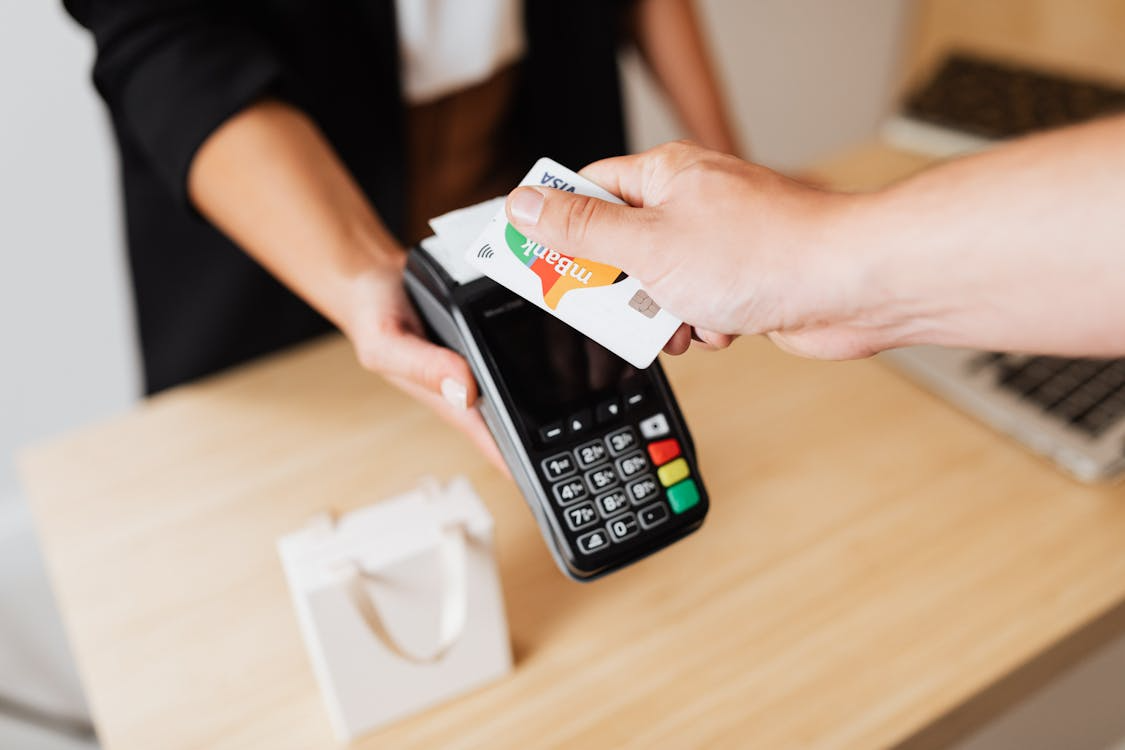
The process begins when a customer presents a credit or debit card for payment. This can happen through a physical card reader, an online checkout form, a smartphone wallet, or a contactless payment system.
The merchant’s payment terminal captures the transaction details, including the purchase amount and card information, instead of sending this information directly to the customer’s bank, the terminal first routes it through a payment processor.
The payment processor acts as a middleman that securely transmits transaction data among the merchant, the card network, and the financial institutions involved. Speed is critical because consumers expect approvals to happen almost instantly.
Once transmitted, the transaction reaches the card network, such as Visa, Mastercard, American Express, or Discover. The card network identifies which bank issued the customer’s card and forwards the authorization request.
The issuing bank then checks several factors before responding. It verifies whether the card is active, whether sufficient funds or credit are available, and whether any suspicious activity is detected. If everything appears valid, the bank approves the transaction and sends authorization back through the network.
This entire process usually takes only a few seconds.
See How Product Barcodes Changed Retail Forever for a related retail system.
The Difference Between Authorization and Payment
Many people assume the business receives money immediately after a transaction is approved, but authorization and settlement are actually separate stages.
Authorization temporarily reserves funds or available credit. The actual movement of money occurs later through a process called settlement.
At the end of the business day, merchants typically send batches of approved transactions to their payment processors. These transactions are then formally processed through banking networks.
The customer’s issuing bank transfers funds to the merchant’s acquiring bank, the financial institution that processes the business’s card payments. After processing fees are deducted, the merchant receives the remaining funds, usually within one to three business days.
This delay is why pending charges may appear on bank statements before transactions fully post.
The settlement system also helps businesses reconcile transactions, track payments, and manage accounting records accurately.
Read The Hidden Journey of a Package Delivery for another hidden network.
Why Businesses Pay Processing Fees
Every credit card transaction involves fees paid by the merchant. These fees help support the payment infrastructure and compensate the companies involved in processing transactions.
One of the largest components is the interchange fee, which goes to the issuing bank. Card networks also charge assessment fees, while payment processors add service fees for handling transactions and maintaining infrastructure.
Processing fees are usually calculated as a percentage of the transaction plus a small fixed amount. Although individual fees may seem minor, they add up significantly across millions of transactions daily.
Businesses often accept these costs because credit card payments increase convenience and sales opportunities. Customers tend to spend more easily with cards than with cash.
Different payment methods can carry different fee structures. Premium rewards cards, for example, often have higher interchange fees because banks use those fees in part to fund cashback and travel rewards programs.
Online transactions may also incur higher processing costs because digital purchases carry a higher risk of fraud than many in-person transactions.
See How Loyalty Programs Really Work for related rewards context.
Security Systems Protect Transactions
Because enormous amounts of money move through payment networks every day, security is a major priority within credit card processing systems.
Modern payment systems use encryption to protect card information during transmission. Sensitive data is scrambled into unreadable code, so unauthorized parties cannot easily intercept usable information.
Chip-enabled cards added another layer of protection compared to older magnetic stripe cards. EMV chip technology generates unique transaction codes that are much harder to duplicate fraudulently.
Tokenization has become increasingly important as well. Instead of transmitting actual card numbers, many systems use temporary digital tokens that represent the account securely during transactions.
Fraud detection systems continuously monitor for suspicious behavior. Banks analyze factors such as unusual purchase locations, abnormal spending patterns, or rapid sequences of transactions that may indicate stolen card activity.
Consumers sometimes experience temporary card declines because automated systems flag transactions as potentially suspicious. While inconvenient, these systems help reduce large-scale fraud losses.
Explore How Personal Risk Assessment Works for insights on risks.
Credit Card Processing Powers Modern Commerce
Modern economies depend heavily on electronic payment systems functioning smoothly. From grocery stores and restaurants to online retailers and subscription services, businesses rely on fast and secure transaction processing to operate efficiently.
The rise of mobile wallets, contactless payments, and online shopping has made payment systems even more important in daily life. Consumers increasingly expect transactions to happen instantly and seamlessly, regardless of location or device.
At the same time, payment technology continues evolving. Biometric authentication, real-time bank transfers, digital currencies, and artificial intelligence-driven fraud prevention are already shaping the next generation of financial systems.
Although most people never think about what happens after tapping a card reader, every transaction activates a massive digital network coordinating banks, processors, security systems, and communication infrastructure within seconds.
What feels like a simple purchase is actually a carefully orchestrated financial operation that happens invisibly in the background every day.