
Dynamic pricing has become increasingly common because modern technology allows businesses to adjust prices in real time using massive amounts of data.
Many people have experienced the frustration of seeing a price change unexpectedly. Airline tickets rise overnight, hotel rates jump during busy weekends, rideshare prices surge during storms, and concert tickets fluctuate based on demand. This pricing strategy is known as dynamic pricing, a system in which prices change in response to market conditions rather than remaining fixed.
While consumers sometimes view these changes negatively, companies rely on pricing to balance supply, demand, and profitability more efficiently.
What Dynamic Pricing Actually Means
Dynamic pricing refers to flexible pricing systems in which the cost of a product or service varies based on factors such as demand, timing, availability, competition, or customer behavior.
Instead of charging the same amount consistently, businesses adjust prices based on current market conditions. This approach allows companies to maximize revenue during periods of high demand while attracting customers during slower periods with lower prices.
Airlines are one of the best-known examples. A flight ticket may cost significantly more as the departure date approaches because fewer seats remain available and demand becomes less predictable. Hotels use similar systems, raising rates during holidays, conventions, or major events when demand for rooms increases.
Rideshare services also rely heavily on dynamic pricing. During periods of high rider demand and limited driver availability, prices rise temporarily to encourage more drivers to enter service while balancing the number of ride requests.
Although technology has accelerated dynamic pricing, the concept itself is not new. Seasonal pricing, discount sales, and market-driven price adjustments have existed for centuries. What changed is the speed and precision with which companies can now adjust prices automatically.
See Why Grocery Stores Are Designed the Way They Are for another everyday pricing context.
Why Businesses Use Dynamic Pricing
The primary goal of dynamic pricing is to maximize efficiency and revenue. Businesses with limited inventory or time-sensitive products benefit especially from flexible pricing systems.
Airline seats and hotel rooms provide good examples because unsold inventory loses value quickly. Once a flight departs or a hotel night passes, unused capacity cannot be recovered. Dynamic pricing helps companies fill as much inventory as possible while still capturing higher revenue during busy periods.
Supply and demand are central to the process. When demand rises faster than available supply, prices increase. When demand weakens, prices may fall to encourage additional purchases.
Businesses also use pricing algorithms to respond to competitors. Online retailers frequently automatically monitor competitors’ prices and adjust their own pricing in response. This is why prices for the same product can change multiple times within a single day on some websites.
Consumer behavior data also plays a role. Companies analyze purchasing trends, browsing patterns, seasonal habits, and historical demand to predict when customers are most likely to buy.
In some industries, dynamic pricing can also help manage overcrowding. Higher prices during peak periods may reduce excessive demand and distribute usage more evenly over time.
Read Understanding Opportunity Cost in Daily Life for related trade-off thinking.
Where Consumers Encounter Dynamic Pricing Most Often
Travel is one of the most visible examples of dynamic pricing. Airline tickets, hotels, rental cars, and vacation packages all fluctuate constantly based on demand, timing, and availability.
The entertainment industry uses dynamic pricing extensively, too. Concert tickets, sporting events, and theater performances may rise in price as events approach or when demand surges unexpectedly.
E-commerce platforms increasingly use real-time pricing systems. Online retailers can adjust prices rapidly because digital storefronts do not require physical price tag changes. Algorithms may factor in inventory levels, competitor pricing, shopping trends, and customer demand patterns simultaneously.
Streaming and subscription services sometimes use regional pricing strategies, adjusting prices based on local market conditions and competition.
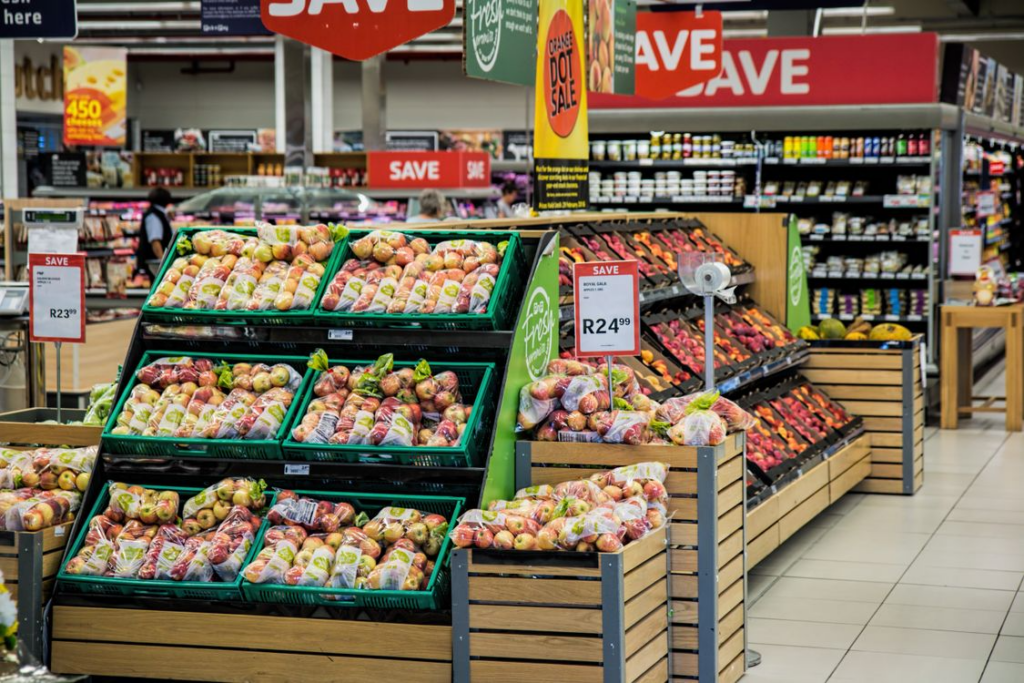
Even grocery stores and restaurants are experimenting with more flexible pricing models. Digital shelf labels and app-based promotions allow retailers to update prices much faster than traditional printed labels.
Some industries use dynamic pricing more cautiously because consumers expect stability for essential goods and services. Excessive or poorly timed price increases can create public backlash if customers perceive the pricing as unfair.
Check Why Certain Products Cost More Than Expected for another pricing example.
Why Dynamic Pricing Feels Frustrating to Consumers
One reason people dislike dynamic pricing is that it creates uncertainty. Consumers often prefer predictable pricing because it feels more transparent and easier to plan around.
Dynamic pricing can also trigger feelings of unfairness, especially when prices rise during emergencies, bad weather, or periods of high demand. Surge pricing during rideshare shortages, for example, may feel exploitative even when companies argue it helps balance supply and demand.
Psychology plays a major role here. People tend to compare prices against expectations and previous experiences. If customers see a dramatic increase compared to what they recently paid, the higher price may feel unreasonable even if market conditions have changed.
At the same time, consumers often benefit from dynamic pricing without noticing it. Lower off-season travel rates, discounted weekday hotel stays, and flash sales all rely on the same pricing principles that produce higher peak-period prices.
Technology has also increased consumer awareness. Price-tracking tools, travel apps, and browser extensions now allow people to monitor price fluctuations and identify better timing opportunities.
Explore How Loyalty Programs Really Work for insights into rewards systems.
Dynamic Pricing Is Becoming Part of Everyday Life
As businesses gain access to more real-time data and automated pricing systems, dynamic pricing will likely continue expanding into additional industries.
Artificial intelligence and predictive analytics are making pricing systems even more sophisticated. Companies can now forecast demand patterns with increasing accuracy and adjust prices almost instantly across digital platforms.
For consumers, understanding how dynamic pricing works can make these fluctuations feel less mysterious. Timing, flexibility, and comparison shopping often matter more than ever in environments where prices constantly change.
Although dynamic pricing can feel frustrating, it reflects a broader shift toward highly data-driven marketplaces where prices adapt continuously to changing conditions rather than remaining fixed for long periods.