
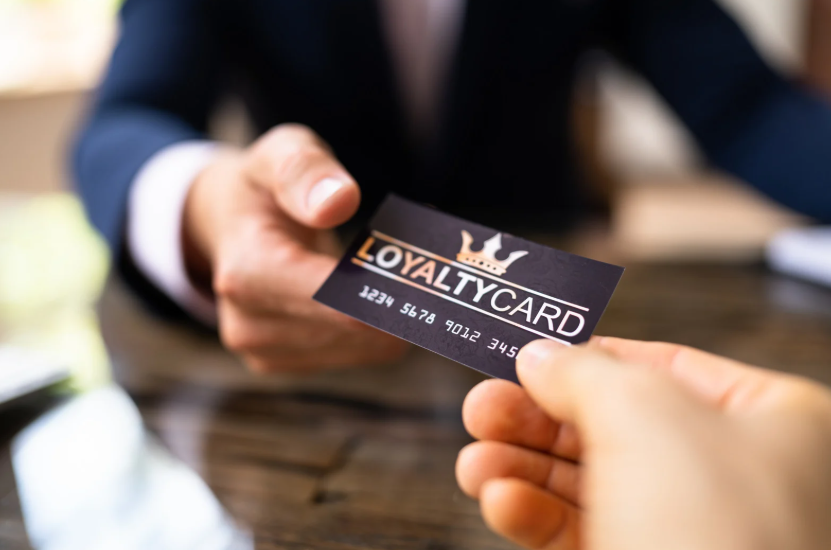
For consumers, loyalty programs can provide real savings and useful perks when used strategically. Understanding how loyalty programs work also shows why businesses rely on them for behavioral insights, repeat visits, and stronger customer retention.
Loyalty programs are everywhere. Grocery stores offer points at checkout, airlines reward frequent flyers with miles, coffee shops provide free drinks after enough purchases, and credit cards promote cashback on everyday spending. While these programs appear simple on the surface, they are carefully designed systems that help businesses increase revenue, collect customer data, and encourage repeat visits.
The relationship works because both sides receive something they want: convenience and rewards for the customer, and loyalty and data for the company.
Why Businesses Invest in Loyalty Programs
At their core, loyalty programs exist to keep customers coming back rather than shopping with competitors. Businesses know that retaining existing customers is often less expensive than constantly attracting new ones through advertising. A loyalty program gives people a reason to stay connected to a brand over time.
Many programs also encourage customers to spend more per visit. Someone who knows they are earning points toward a reward may feel more comfortable adding extra items to their cart. This is why stores frequently promote bonus-point events or spending thresholds, such as “Spend $50 and earn double rewards.”
The most valuable part of many loyalty programs is not the points system itself, but the customer data generated behind the scenes. Every purchase helps businesses understand shopping habits, preferences, and timing patterns. Companies can then use this information to create targeted promotions and personalized offers.
For example, if a customer regularly buys pet food, the business may send coupons for pet products. If someone consistently shops on weekends, promotions may be timed to match those routines. Loyalty systems help businesses market more efficiently by reducing guesswork.
See How Incentives Shape Human Behavior for insights on motivation and rewards.
How Points and Rewards Systems Work
Most loyalty programs operate on a basic principle: customers earn value incrementally over time. The reward structure may look generous, but companies carefully calculate the system to remain profitable.
Points are often designed to encourage continued engagement rather than immediate redemption. Some programs require a high number of purchases before meaningful rewards appear. Others use expiration dates to limit long-term liabilities. Businesses know that many customers either forget to redeem rewards or never accumulate enough points to claim larger benefits.
Airline and hotel programs are especially sophisticated. The value of miles or points can fluctuate depending on demand, timing, and availability. This allows companies to manage reward costs while still advertising attractive benefits.
Credit card rewards programs work somewhat differently. Card issuers generate revenue through transaction fees paid by merchants and interest from card balances. A portion of this revenue is used to fund cashback, travel points, or other perks. Consumers who pay balances in full each month often benefit the most because they avoid interest charges while still collecting rewards.
Some loyalty systems also rely on psychological motivation. Visible progress bars, app notifications, and status tiers encourage customers to continue participating. Reaching “gold,” “platinum,” or “VIP” status can feel rewarding even when the practical benefits are relatively modest.
Read Understanding Dynamic Pricing in Everyday Life for related pricing context.
The Role of Apps and Digital Tracking
Modern loyalty programs have become heavily integrated with mobile apps and digital ecosystems. Instead of physical punch cards or keychain tags, many businesses now use apps that automatically track purchases and reward activity.
This shift benefits companies because digital systems provide more accurate customer data and increase opportunities for engagement. Apps can send personalized alerts, limited-time deals, and reminders when points are about to expire. Businesses can also encourage additional spending through gamified experiences, such as challenges or bonus-reward events.
For customers, apps often make loyalty programs easier to manage. Rewards balances, purchase history, digital receipts, and exclusive promotions can all be accessed from a smartphone. Some retailers even integrate mobile payment systems directly into their loyalty platforms to streamline the shopping experience.
Subscription-style loyalty programs have also become more common. Instead of earning points slowly, customers pay a recurring fee for immediate benefits such as free shipping, discounts, or exclusive access. Companies favor these systems because recurring memberships create predictable revenue streams and stronger long-term retention.
Learn How Credit Card Processing Works Behind the Scenes for another hidden consumer system.
How Consumers Can Maximize Loyalty Benefits
Not all loyalty programs are equally valuable. Some offer meaningful savings, while others mainly encourage unnecessary spending. Consumers benefit most when they focus on programs connected to purchases they already make regularly.
One effective strategy is to concentrate activity within a few frequently used programs rather than spreading purchases across dozens of different systems. This makes it easier to accumulate rewards quickly and avoid losing points through inactivity or expiration.
It is also important to evaluate the true value of rewards. A program may advertise large point bonuses, but redemption rates can vary significantly. Comparing the spending required for actual rewards often reveals whether a program is worthwhile.
Consumers should also pay attention to privacy tradeoffs. Loyalty programs collect large amounts of purchasing data, and businesses may share insights with marketing partners. While this data collection helps generate personalized offers, some customers prefer to limit how much information companies collect about their shopping behavior.
Ultimately, loyalty programs succeed because they tap into both practical savings and human psychology. People enjoy earning rewards, tracking progress, and feeling recognized by brands they use regularly. Businesses benefit from stronger customer relationships and better behavioral data.
The next time you scan a rewards card or open a loyalty app, you are participating in a carefully designed system built to shape spending habits, strengthen brand loyalty, and make repeat shopping feel rewarding.
Explore How to Evaluate Information Online More Effectively before comparing reward claims.