
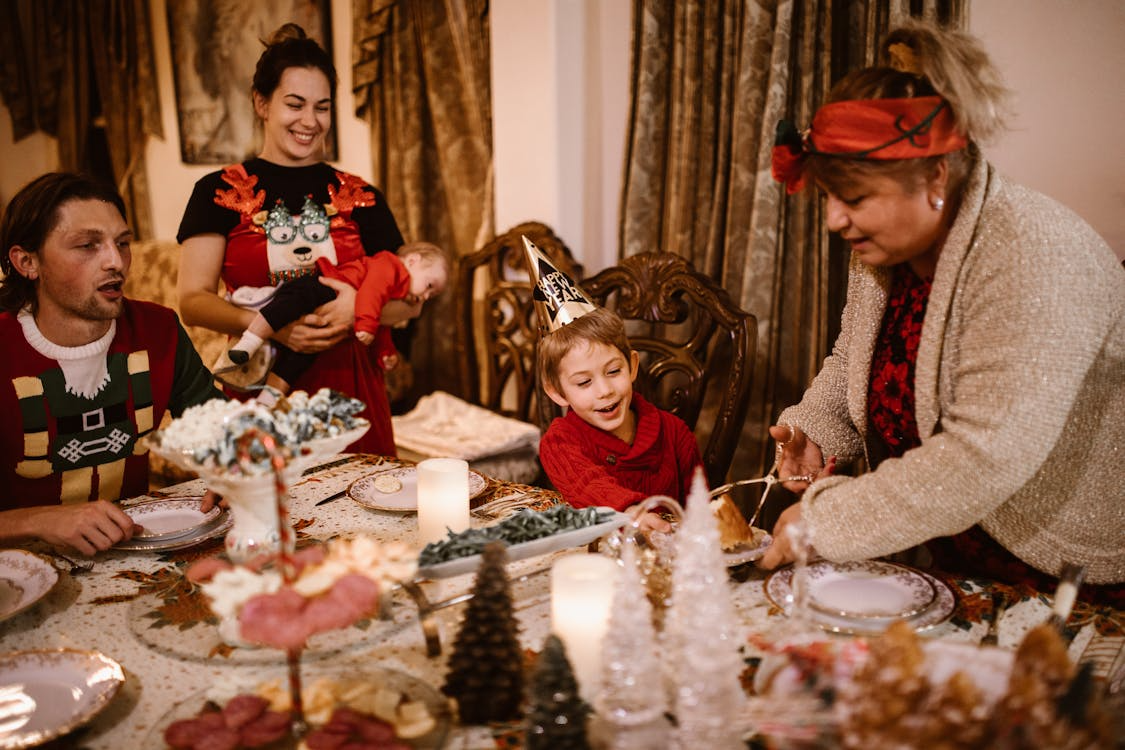
Traditions help societies maintain a sense of stability in a constantly changing world.
Many traditions survive far longer than the societies that created them. Holiday celebrations, wedding customs, family rituals, greetings, seasonal festivals, and cultural ceremonies often continue for hundreds or even thousands of years despite major changes in technology, politics, and daily life.
What makes traditions especially interesting is that many persist even after people forget their original purpose. Certain customs continue not because they are strictly necessary, but because they provide familiarity, identity, connection, and continuity across generations.
Traditions Help Create Social Connection
One reason traditions endure is that they strengthen relationships between individuals and communities. Shared rituals create a sense of belonging because people share common experiences.
Family traditions are especially powerful because they connect memories and emotions across generations. Annual holiday meals, birthday rituals, or seasonal activities often become emotionally significant because they are repeated consistently throughout childhood and adulthood.
Communities also use traditions to reinforce social identity. Festivals, parades, religious ceremonies, and national holidays create shared experiences that remind people they are part of something larger than themselves.
Even small traditions can strengthen social bonds. Greeting customs, shared meals, workplace rituals, and local celebrations help create familiarity and predictability in social interactions.
Repeated traditions also create emotional comfort by providing structure during uncertain times. In periods of stress or rapid societal change, familiar customs often become even more meaningful.
See The Story Behind Popular Calendar Traditions for related seasonal customs.
Religion and Culture Reinforce Long-Term Traditions
Religious traditions are among the longest-lasting because they are often tied to deeply held beliefs, moral systems, and community identity.
Many major holidays and ceremonies have survived for centuries because religious institutions preserved and transmitted them across generations. Rituals tied to births, marriages, mourning, harvest seasons, or sacred events became deeply woven into cultural life over time.
Cultural traditions also persist because they help preserve historical identity. Language, music, clothing, food, storytelling, and ceremonial practices often act as living connections to ancestral heritage.
Immigrant communities frequently maintain traditions strongly because customs help preserve cultural identity in unfamiliar environments. Food traditions are especially durable because recipes and shared meals connect families directly to cultural history.
Governments and national institutions sometimes reinforce traditions as well. Public holidays, commemorations, and civic ceremonies help maintain collective identity and historical continuity within societies.
Traditions often survive because they are repeatedly taught to children at an early age. Once customs become associated with family, celebration, or emotional milestones, they tend to feel natural and important even when their origins become less clear.
Read The Origins of Everyday Etiquette Rules for shared social customs.
Why Traditions Adapt Instead of Disappearing
Traditions rarely remain completely unchanged over long periods. Instead, they often adapt gradually while preserving their core symbolic meaning.
Holiday celebrations provide strong examples. Ancient seasonal festivals evolved into modern holidays shaped by religion, commerce, media, and popular culture. Many traditions that feel timeless today are actually combinations of old customs and newer adaptations.
Technology also changes how traditions are practiced. Families now share celebrations through video calls, digital invitations, social media posts, and online communities while still preserving the underlying ritual itself.
Commercial influences reshape traditions, too. Gift-giving holidays, wedding customs, and seasonal events often expand commercially over time as businesses integrate products and marketing into cultural practices.
Some traditions survive specifically because they are flexible. Customs that adapt to modern lifestyles tend to remain relevant longer than rigid practices that cannot evolve with society.
At the same time, certain traditions disappear when they lose practical relevance or emotional connection. Customs closely tied to outdated technologies, occupations, or social structures may gradually fade over generations.
Traditions persist most successfully when they continue serving emotional, social, or symbolic purposes within changing societies.
Check Why So Many Inventions Happened at the Same Time for historical change patterns.
Rituals Give Meaning to Time and Change
Traditions help organize life transitions and mark important moments consistently across generations.
Birthdays, graduations, weddings, funerals, and seasonal holidays create predictable milestones that help people navigate the passage of time. Rituals provide emotional structure during both joyful and difficult experiences.
Seasonal traditions are especially common because agricultural societies historically depended heavily on natural cycles. Many modern holidays still reflect ancient concerns about harvests, winter survival, or changing seasons, even if their meanings evolved later.
Traditions can also create psychological stability. Familiar routines provide reassurance during uncertain periods because they reinforce continuity between past, present, and future.
This emotional role helps explain why traditions often become more important during major life changes, national crises, or periods of rapid technological transformation.
Even in highly modern societies, people continue seeking rituals and repeated experiences that create a sense of grounding and continuity.
Explore Why Some Words Mean Different Things Around the World for cultural meaning shifts.
Traditions Connect the Past to the Present
The traditions that survive for centuries usually do so because they fulfill enduring human needs. They strengthen relationships, preserve identity, organize social life, and provide emotional continuity across generations.
Although technology and culture change constantly, many human desires remain surprisingly consistent. People still seek belonging, meaning, celebration, remembrance, and connection to something larger than themselves.
Traditions endure not simply because people resist change, but because repeated customs often carry emotional and symbolic value that newer alternatives struggle to replace.
The next time you participate in a holiday gathering, family ritual, or cultural celebration, you may be taking part in practices shaped by generations of human history stretching much farther into the past than most people realize.